In 2026, digital marketing faces a unique challenge: content that all looks the same. Scrolling through your favorite blogs or social media feeds will reveal a disturbing uniformity—articles, posts, and campaigns that anybody might have written. This is what marketers now refer to as “cereal box” content, a metaphor for generic, mass-produced information that blends in instead of standing out.
If your brand is falling into the generic content marketing trap, it’s time to rethink your strategy. Content homogenization in digital marketing is no longer just a minor issue—it’s a full-blown problem that threatens engagement, brand identity, and SEO performance.
This guide delves into what content homogenization is, why it matters, and practical tactics for creating unique, humanized content that differentiates your brand in 2026.
What is Content Homogenization?
Content homogenization is the trend of digital content becoming more similar across businesses, industries, and platforms. It happens when marketers rely excessively on templates, repeated ideas, or algorithm-driven production, resulting in articles, social posts, and videos with the same structure, tone, and messaging.
Basically, it’s content that looks like it came straight off a conveyor belt—much like breakfast cereal packaged in identical boxes, hence the term “cereal box” content.
Pivotal factors contributing to content homogenization include:
- Over-reliance on AI-generated content without customization
- Copying competitors’ content or trending topics too closely
- Prioritizing SEO formulas over original storytelling
- Following rigid templates for blogs, emails, and social campaigns
The outcome?
An overflow of digital marketing content that lacks personality, innovation, and relevance to your unique audience.
Why Content Homogenization Is a Problem
You may believe that creating content fast and often will be sufficient for success in 2026—but algorithm-driven content production is a double-edged sword. While it ensures volume, it usually kills creativity, resulting in digital content homogenization problems like:
1. Loss of brand differentiation:
When all content looks the same, your audience cannot distinguish your brand from competitors. Unique messaging and brand storytelling are replaced with cookie-cutter formats that fail to communicate your values or expertise.
2. Audience fatigue:
Articles that rehash the same concepts are no longer impressive to readers. They crave humanized content writing techniques that feel authentic, insightful, and personalized.
3. SEO penalties for lack of originality:
Google’s algorithms increasingly prioritize content originality vs uniformity. Regardless of keyword optimization, websites containing recycled or derivative content may find it difficult to rank.
4. AI-generated content risks
While AI can speed up content creation, excessive use can lead to homogenized AI-generated content, resulting in readable but unoriginal content.
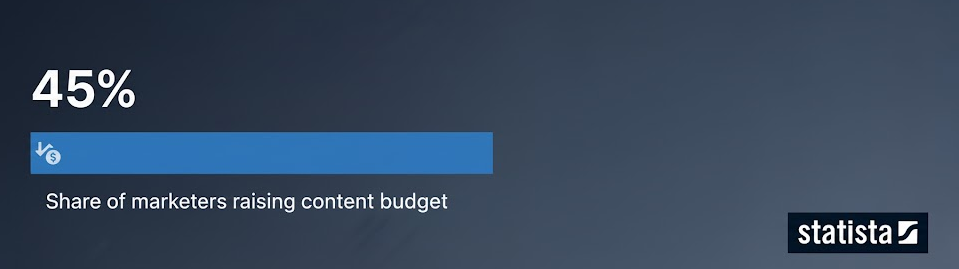
According to Statista, 45% of marketers say they are raising their content marketing budget. It means content is becoming more strategic and competitive, so producing unique content matters more.
Signs Your Content Is ‘Cereal Box’ Content
Are you unsure if your content has fallen into this cereal box trap? Here are some red flags:
- Your blogs feel like carbon copies of competitors’ posts.
- You rely heavily on templates rather than tailoring content to your audience.
- The voice and tone are corporate, generic, or flat.
- Articles rarely spark comments, shares, or meaningful engagement.
- Topics and headlines are predictable, offering little to no new information.
If these signs are common to you, it’s time to stop publishing generic content marketing and rethink your strategy.
How to Avoid Content Homogenization
Escaping the homogenization trap requires deliberate strategies focused on creativity, originality, and brand voice. Here are practical ways to avoid becoming another cereal box brand:
1. Embrace Content Originality vs Uniformity
Prioritize a unique content strategy for 2026 by creating pieces that reflect your brand’s perspective. Even if a topic is widely covered, it can offer new insights, data, or storytelling approaches. Originality attracts both human readers and search engines.
2. Humanized Content Writing Techniques
Add personality, stories, and a conversational tone to your text. Readers engage with stories, not just statistics. Ask: Would a friend or coworker find this content relatable?
3. SEO Content Originality Tips
While keywords remain important, focus on crafting content that:
- Provide original perspectives and insights.
- Including case studies, interviews, and proprietary research.
- Used naturally semantic keywords to reinforce relevance.
- Avoids stuffing keywords effectively.
This guarantees that your content is optimized without adhering to formulaic, generic patterns.
4. Represent Tone and Voice in Brand Storytelling
Establish a clear brand narrative and authenticity. Whether your voice is witty, authoritative, empathetic, or inspirational, consistency builds trust. A unique tone keeps content from blending in with rivals’.
Want your content to be better than AI limitations?
Our content strategy process helps brands discover their own voice and break free from generic, template-driven marketing.
👉 Start creating content that actually stands out.
How to Escape Content Homogenization
To overcome content homogenization, brands must adopt strategic and creative approaches like:
- Develop a Unique Content Strategy
Craft a plan that balances thought leadership content strategy, audience needs, and business objectives. Identify gaps in your niche and deliver insights competitors haven’t covered.
- Invest in Creative Content Marketing
Experiment with interactive media, podcasts, video storytelling, infographics, and long-form narratives. Creativity adds depth and content diversity in marketing, ensuring your brand stands out.
- Focus on Brand Differentiation in Content Marketing
Emphasize your brand’s unique qualities, such as your values, culture, and expertise. Make a difference not only in the subjects you discuss but also in the way you present them.
- Realness in Storytelling and Authenticity
Consumers are increasingly skeptical of mass-produced content. Build brand narrative and authenticity into every piece to build trust and long-term engagement.
Standing Out in the AI Content Era
AI is both a benefit and a hurdle for marketers. On one hand, it increases content production; on the other, it relates to the digital content homogenization problem.
Here’s how to utilize AI without sacrificing creativity:
- Use AI for ideation, not for copy-paste.
AI can generate topics, outlines, or summaries—but human creativity should shape the final product.
- Focus on humanized insights.
Add perspectives, stories, or case studies that AI cannot replicate.
- Implement a content differentiation strategy.
Implement AI efficiency with creative marketing content homogenization 2026 techniques. Mix formats, experiment with storytelling, and prioritize originality.
- Combat content fatigue marketing
Rotate content formats, explore underrepresented topics, and engage niche audiences. Variety prevents your content from becoming a monotonous stream.
- Teach your team to write beyond templates.
Copywriting originality vs templates: Encourage copywriters to move past rigid templates, focusing on voice, tone, and thought leadership to create material that is memorable and shareable.
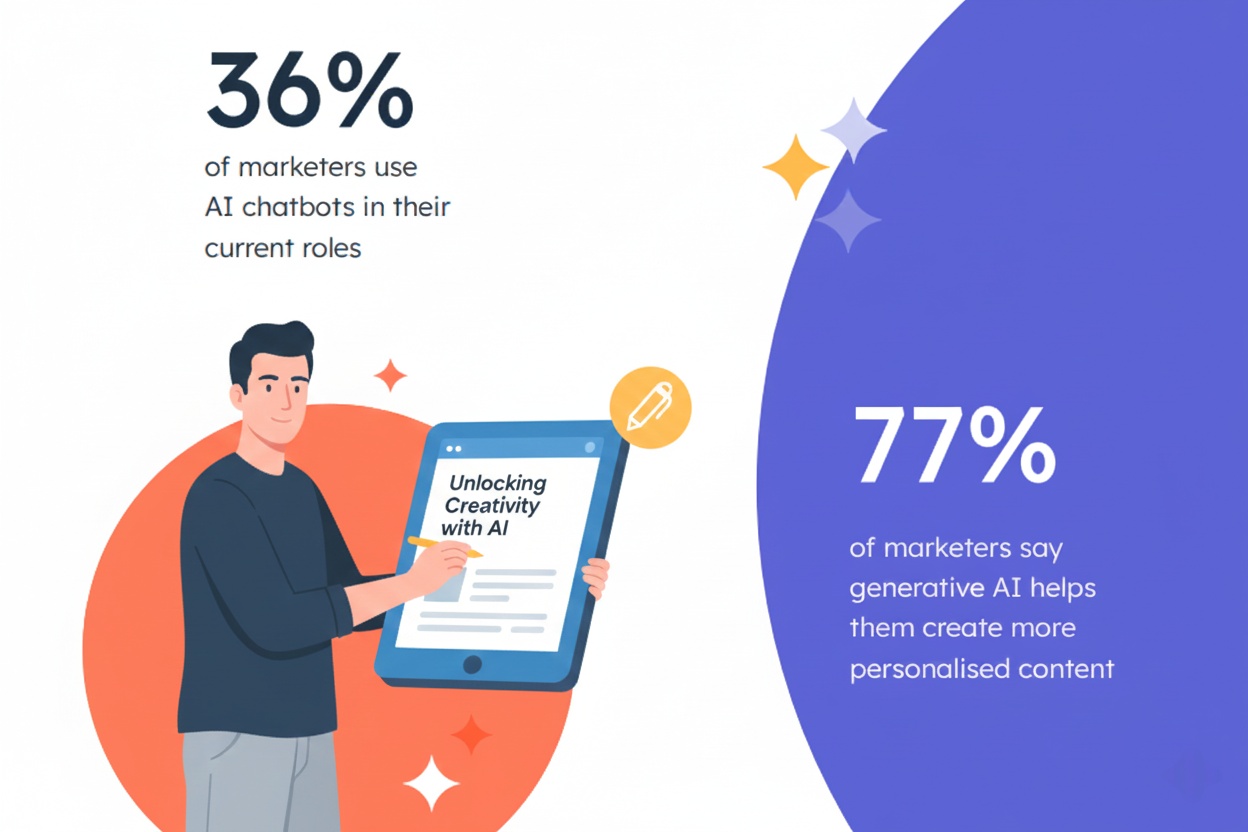
Per HubSpot’s research, 36% of marketers use AI chatbots, and 77% of marketers say that generative AI helps them create more personalized content.
Final Thoughts
The age of cereal box content is over. Brands that depend on generic, homogenized content risk losing relevance, engagement, and search visibility in 2026 and beyond. By promoting originality, creativity, and humanized storytelling, marketers can build content that stands out, resonates with audiences, and drives real results.
Key Takeaways:
- Understand the dangers of content homogenization in digital marketing
- Determine whether your content falls into the generic content marketing trap
- Prioritize unique content strategies, brand differentiation, and voice
- Leverage AI carefully, ensuring humanized insights and originality
- Experiment with creative content marketing trends 2026 to stay ahead of trends
It’s time to quit creating content that could be found on any shelf. By rejecting homogenization, you can create engaging and memorable content that accurately represents your brand.
Ready to stop blending in and start building legendary content?
Code&DesignGroup helps you transform your message with a human-based content creation strategy that’s built for 2026 and beyond.
👉 Let’s make your brand impossible to ignore.
Frequently Asked Questions
Q1. What is homogenized content in marketing?
Content homogenization happens when multiple brands publish content that looks the same—same structure, tone, keywords, and ideas. It’s usually caused by competitor imitation, template-heavy writing, and over-reliance on AI tools.
Q2. Why does your content look like your competitors?
Most marketers follow identical SEO formulas, target the same keywords, and use similar AI-generated frameworks. This creates a “copy-paste” content ecosystem where originality disappears and everything feels repetitive.
Q3. What is the ‘cereal box’ content in marketing?
“Cereal box” content refers to generic, predictable, mass-produced content that lacks personality and originality. It’s polished on the outside but empty on the inside—just like plain cereal boxes that all look alike on a shelf.
Q4. How to avoid generic AI-generated content?
You can avoid generic AI content by adding original insights, unique examples, brand voice, and firsthand experience. Don’t rely on AI templates alone—use AI for structure, but let human thinking shape the final message.
Q5. Why is content homogenization a big problem for SEO?
Google’s 2026 algorithm prioritizes authenticity, depth, and expertise. Homogenized content ranks poorly because it lacks originality, offers no real value, and fails to demonstrate experience or authority.
Q6. How to write unique content in 2026?
Focus on unique storytelling, brand voice, original frameworks, personal experiences, fresh data, and niche-specific insights. Content that feels human, opinionated, and distinctive performs best against generic AI competition.